
Stress at work isn’t a new story.
But honestly, the way most companies measure it, well, it’s kind of outdated. The usual approach looks like this:
- One big annual survey
- Occasional manager check-ins
- Employees self-reporting how they feel
These tools aren't necessarily bad, but they all share a common flaw: they only show you what’s already happened.
The Corporate Stress Problem (And Why Most Solutions Miss the Mark)
If you’ve spent time working with corporate clients, you know how this goes:
By the time anyone realizes stress is an issue, you’re already seeing drops in performance, people calling out sick, and even higher turnover.
Why Workplace Stress Slips Through the Cracks
- Employees aren’t always honest about it
- Managers usually catch it late
- Data is scattered or arrives too slowly
That means companies end up reacting to problems, not preventing them.
This Problem Is Bigger Than You Think
- Ongoing stress cuts into productivity;
- Burnout sends employees out the door;
- Health-related expenses just keep climbing;
But the real problem is simple: you can’t manage what you can’t actually see as it’s happening.
Real-Time vs. Retrospective Stress Assessment
Let’s look at the difference between the old way and what’s possible.
Retrospective Approach
- “How was your stress last week?” survey
- Manager observations after the fact
- Employee feedback, sometimes after it’s already too late
The problem? This information is: subjective, delayed and patchy at best.
Real-Time Monitoring
- Constant stream of physiological data
- Real stress indicators, not just guesses
- Patterns throughout the workday
What Changes
Instead of hearing:
“People said stress was high in Q1”
You start seeing:
“Stress spikes every afternoon, especially during late meetings”
That’s a whole different level of detail.
Why Real-Time Data Changes Everything
Here’s where things get interesting.
- You Spot Patterns Fast You don’t just learn that stress is high. You see exactly:
- When it happens
- How often
- What’s happening around it
- You Act Before Problems Blow Up
No more scrambling after burnout strikes. Now you can:
- Rework schedules or workloads
- Add quick recovery breaks
- Step in before it spirals
- Wellness Efforts Finally Show Results
This matters a lot to companies footing the bill.
Wellness programs used to be a guessing game:
“We hope this helps...”
But real numbers let you say:
“This is working, and here’s how we know.”
Early Action: That’s Where Real Value Happens
Most wellness efforts are built around:
- Trainings
- Workshops
- General advice
Not bad, but kind of broad.
With Live Stress Data, You Can:
- Pinpoint people or teams at risk;
- Catch ongoing stress before it’s a major problem;
- Step in while you still have time to help;
To Make It Real
Instead of waiting until you see:
- People taking sick days,
- Burnout,
- Actual complaints,
You notice:
- Climbing stress,
- Dropping recovery rates,
- Red flags before things go sideways,
And you’re ready to act.
What This Means for Employers (The ROI Story)
Let’s talk about the numbers, because results drive every business decision.
- More Productivity
Employees who recover well and manage stress:
- Stay focused
- Make fewer mistakes
- Handle more for longer
- Retention Goes Up
Burnout makes people leave. When you get ahead of chronic stress:
- People stick around
- Job satisfaction improves
- Lower Healthcare Costs
Chronic stress is tied to:
- Heart risks
- Messed-up sleep
- Mental health issues
If you act early, you cut down:
- Long-term health problems
- Expenses tied to those problems
End of the Day: It Impacts More Than Wellness
Stress isn’t just a personal health issue, it’s a real business metric.
Case Study: Real-Time Monitoring in Action
Let’s put it all together with a real story.
The Challenge A growing company started seeing: tired employees, less enthusiasm and more people calling in sick.
And nobody really knew why.
Their Solution
- Rolled out CardioMood for 24/7 stress tracking
- Gave HR and coaches access to real insight
- Used the data to guide small changes
What They Found Out
- Stress peaked at the end of each day;
- People with odd schedules recovered worse;
- Teams varied more than anyone guessed;
What They Changed They shifted when meetings happen and added quick, effective recovery strategies. They also talked openly about stress to spread awareness.
What Improved
- Better recovery across the board;
- Less fluctuation in stress levels;
- Higher employee engagement;
Privacy: The Piece Nobody Wants to Get Wrong
Here’s where some wellness programs backfire.
Nobody wants to feel like 'They’re being watched' and 'Their data is being used against them'. It’s a real and fair concern.
What Actually Works
- Upfront, honest communication
- Let people opt in, not force them
- Be crystal clear about how data is used
Best Practices
- Use company-wide stats, not personal ones, for big decisions
- Keep individual data private, just between the person and their coach
- Make it about support, not surveillance
The Main Rule
You’re not there to spy on employees, you’re there to help.
Where CardioMood Comes In
CardioMood brings:
- Continuous stress and recovery monitoring based on physiological data
- Actionable insights that help identify patterns and potential risks early
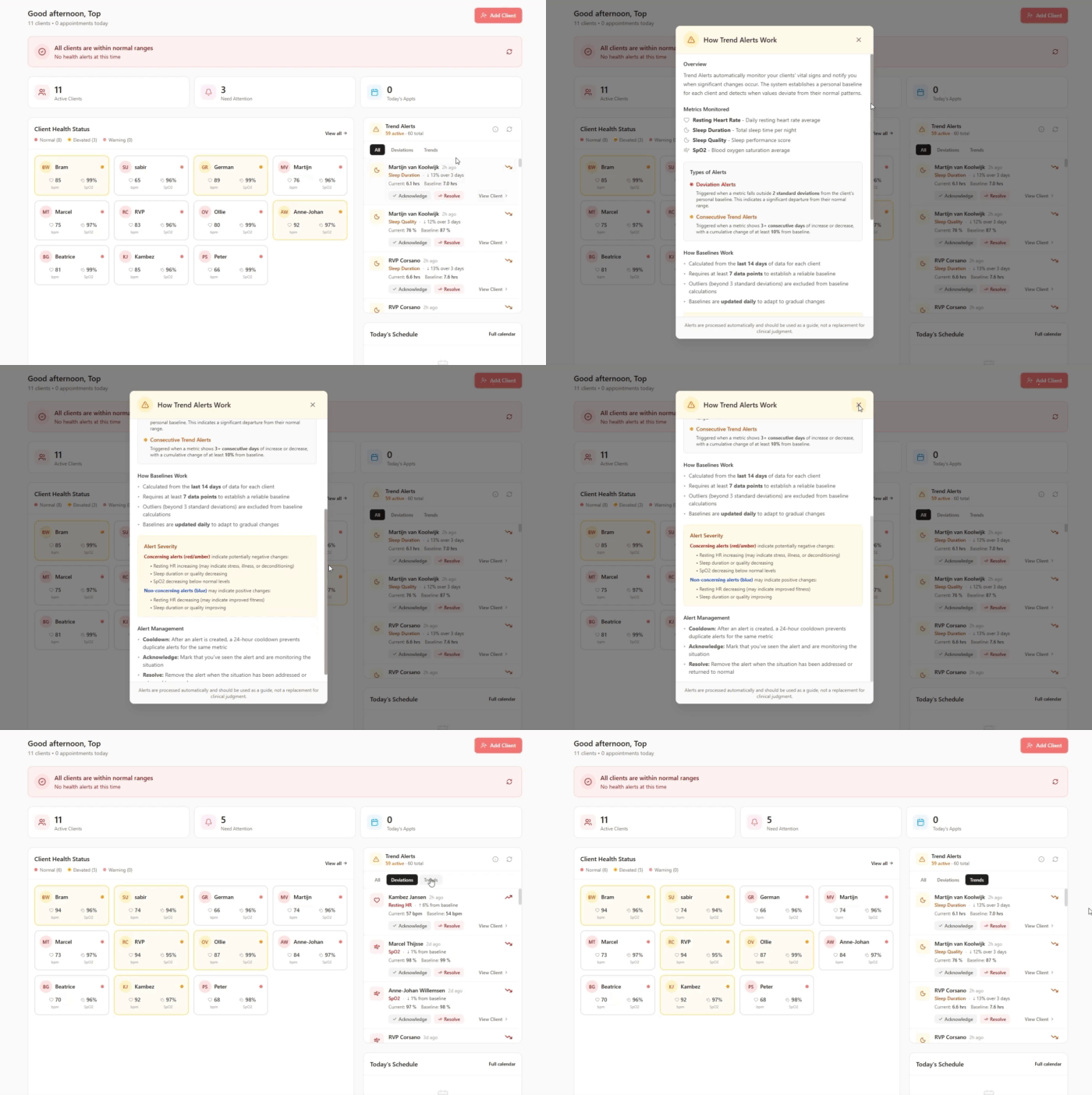
- Data-driven coaching support without relying on self-reported input
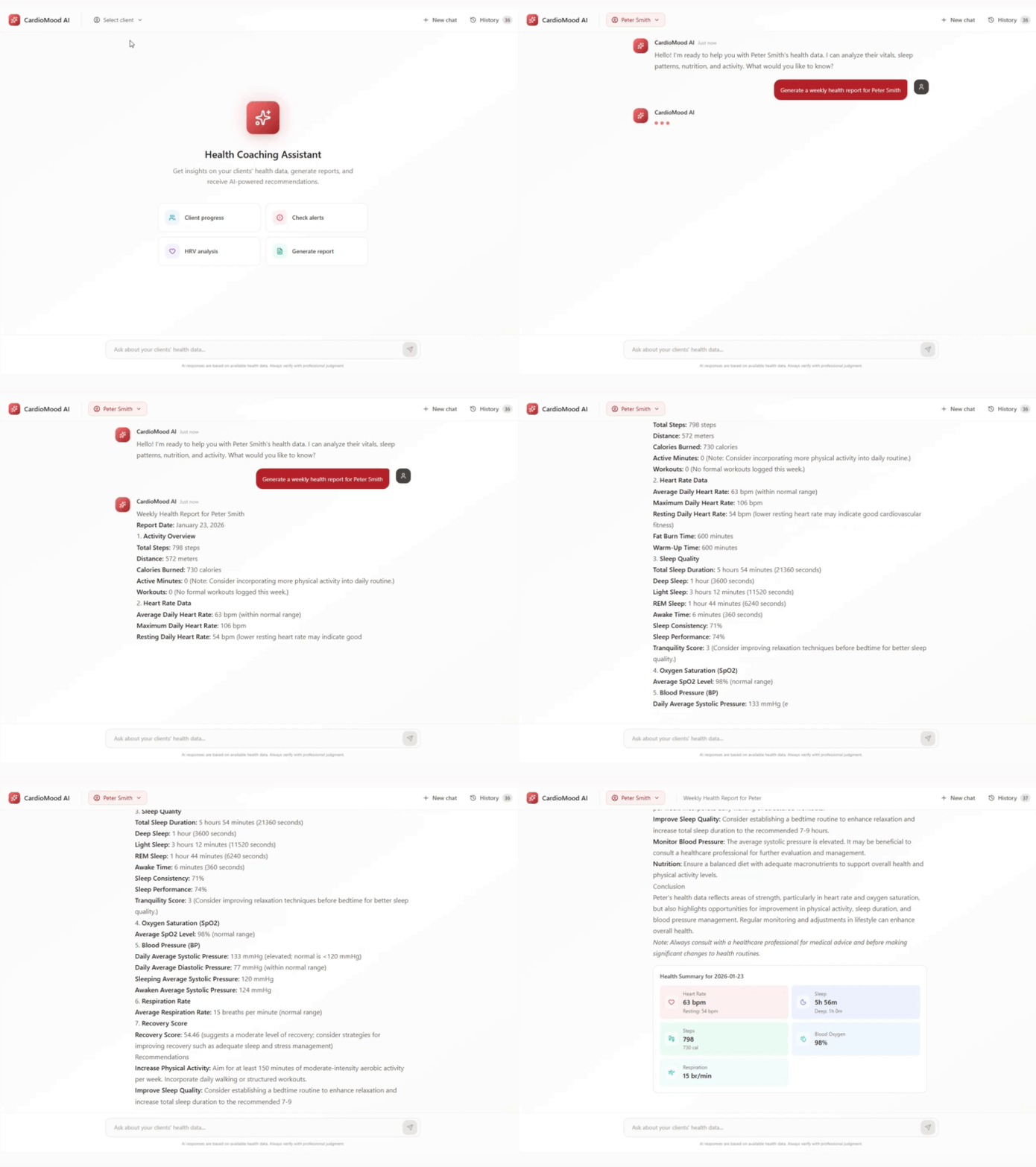 Without the need for manual logs or constant input from employees.
Final Thought
Most corporate wellness programs don’t flop because leaders don’t care. They flop because there’s not enough real-time insight.
When you see stress happening as it unfolds, you finally have a shot at making changes that stick:
- Smarter decisions
- Better timing
- Outcomes you can see and measure
Check out how CardioMood can take your corporate wellness efforts to the next level with real-time stress monitoring.
Featured image: Pexels: Black Letters surrounded with Office Supplies and Crumpled Papers