
Meal planning sounds simple at first. But anyone who’s actually coached people knows it’s a huge time suck.
You’ve got to:
- Tailor plans to each person
- Factor in their likes and dislikes
- Keep their goals front and center
- Stay flexible as life throws curveballs
Once you’re juggling more than a few clients, it adds up fast.
The Real Problem With Traditional Meal Planning
Most coaches end up doing one of two things:
Manual Plans:
- Super personalized;
- Eat up tons of hours;
- Not realistic for lots of clients;
Templates:
- Quick to copy and resend;
- Easy to recycle;
- Usually too broad, not specific;
**Both options fall short,**because what your clients actually need is: Personalization that grows with them, without burning you out.
Why “Personalized Nutrition” Is So Tough
You can set out with the best intentions; true personalization is hard, plain and simple.
Nutrition isn’t one-size-fits-all. It gets shaped by:
- How well someone sleeps
- Their stress levels
- How fast they recover
- Activity habits
- Life changes
Most meal plans don’t reflect that. They get written once, then slowly become less useful as life moves on.
What Changes With AI Meal Planning
AI doesn’t just spit out a plan and wish you luck. It pays attention. It adapts to real data.
Instead of: “Here’s your weekly plan, stick to it.” You get: “Here’s a plan based on how your body’s actually responding right now.”
What AI Takes Into Account
- Client goals (weight loss, performance, recovery)
- Restrictions
- Past behavior
- Current health data
Now, we’re moving from static plans to living, breathing roadmaps.
The Missing Link: Health Data Integration
Here’s where AI meal planning actually gets powerful: your plans aren’t just based on what clients say they want. They’re grounded in what their bodies need. Honestly, this is where tools like CardioMood really shine.
CardioMood AI Meal Planner
CardioMood takes all the hassle out of meal planning by making it a moving target instead of some fixed routine.
You get to build nutrition plans that actually fit each client, using AI to tweak things based on their goals, tastes, and real numbers from their bodies, not just guesses.
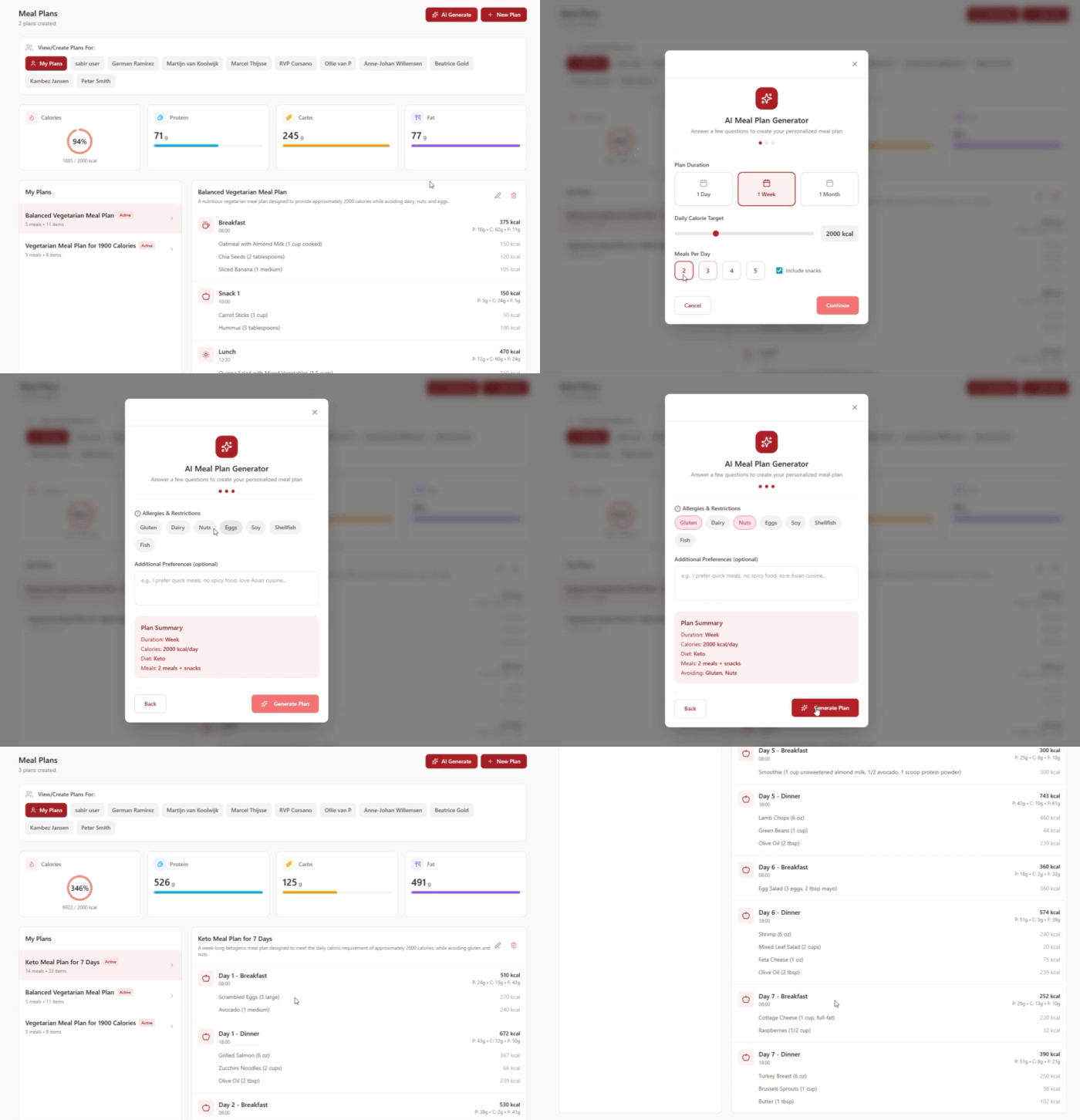
Say a client’s HRV dips while they’re cutting calories. The app spots it right away, so you can adjust before it messes with their recovery.
You get the whole package: recipes, shopping lists, all generated for you, and the plans shift as new data comes in. Clients just open the app and everything they need is right there. It keeps things simple, so sticking to the plan feels natural.
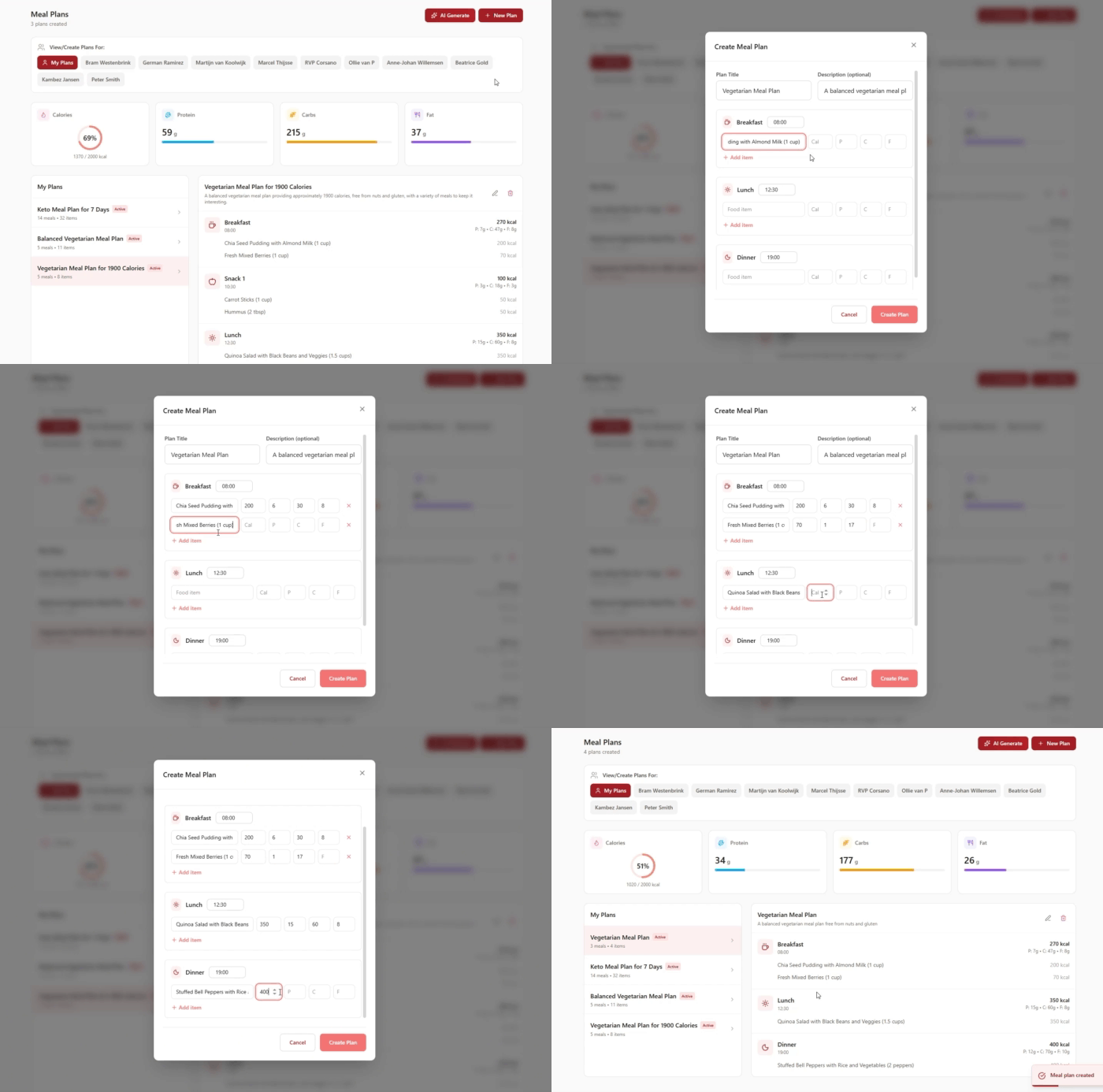
And if you prefer a more hands-on approach, you can also build and adjust plans manually. Clients can access everything directly in the app, making it easier to follow the plan and stay consistent.
Examples That Change Everything
- Bad sleep? Plan shifts toward meals for recovery.
- High stress? More foods to boost energy and steady blood sugar.
- Crummy recovery? The plan dials back intensity, supports healing.
So you’re done guessing. Now, you’re really reacting to what’s happening.
What This Looks Like in Practice
You stop telling clients:
“Eat this, because it’s healthy.”
And start saying:
“Eat this, because this is exactly what your body needs today.”
That difference? It matters.
Example: AI-Generated Plan Walkthrough
Let’s make this less abstract.
Client Profile
- Busy
- Moderate stress
- All over the place with sleep
- Goal: more energy, lose weight
What AI Sees
- Sleep times changing every week
- Recovery isn’t consistent
- Stress spikes on workdays
What The Plan Delivers
Instead of a rigid schedule, the AI plan:
- Focuses on steady energy all day
- Adjusts meal timing for rhythm
- Adds foods that help with recovery
What You Notice as a Coach
This isn’t random churn. It’s all tied together:
- Patterns in sleep
- Stress signals
- Recovery numbers
What Clients Experience
Plans finally feel like they fit:
- Less guesswork
- Easier to stick to
- Doesn’t feel restrictive
Because now, the plan actually matches their life.
Customization Matters (And You’re Still in Control)
This is where some coaches get nervous.
“Is AI just going to take over my job?”
Short answer: no. Think Of AI As a Starting Point
You’re still:
- Adjusting recommendations
- Offering your own context
- Personalizing through real-world conversations
What Changes: now, you don’t have to build everything from scratch. You:
- Refine
- Guide
- Optimize
You’re Always In the Driver’s Seat. Edit meals, swap macros, fine-tune the schedule, you name it. AI does the heavy lifting, you keep the reins.
Why This Matters for Your Practice
It’s not just about saving time (though, let’s be honest, that’s huge), it transforms your client experience.
-
Scale up without losing that personal touch. You can take on more clients, without switching to bland, cookie-cutter plans.
-
Respond fast. Changing life or priorities? No need to rebuild plans from zero every time.
-
Stay consistent. Every client gets a plan with real thought behind it.
What Clients Notice
They don’t think,
“Eh, this must be AI-made.”
They think,
“This finally feels like it’s for me.”
What happens? Clients stick to it. Results improve. Less friction, all around.
Common Misconception
“AI meal plans are cookie-cutter.” That’s true, unless you tie them to real health data. Once you do, plans become adaptive, responsive and with true personalization.
Final Thought
The future of meal planning isn’t about picking one: either personalization or scale. It’s about bringing both together. That’s where AI fits in, perfectly.
Ready to save hours and deliver smarter nutrition plans? Try AI meal planning with CardioMood. Personalize at scale.
Featured image: Pexels: A Person Slicing Cucumber on Brown Wooden Chopping Board