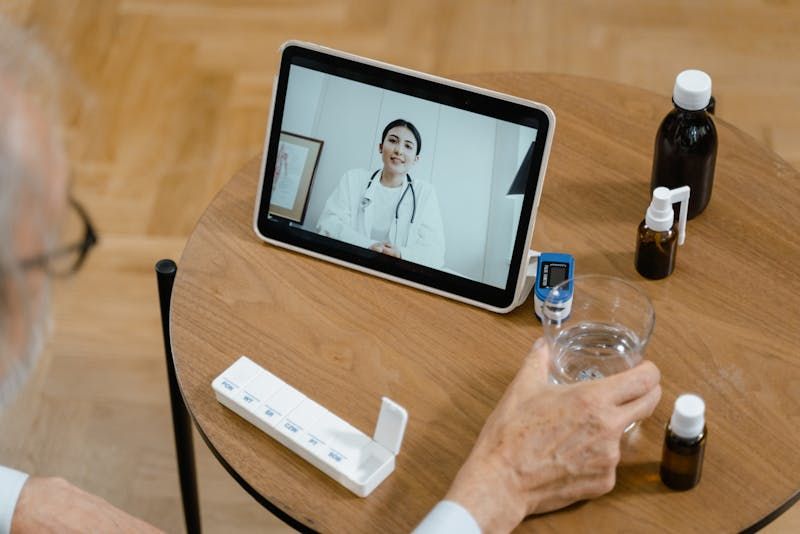
A few years ago, remote healthcare was more of a nice-to-have. Now, it’s basically expected. The pandemic didn’t just speed up telehealth, it flipped the whole conversation about care upside down.
Back then, telehealth meant the occasional video call and a bit of remote support if you were lucky. Now? It’s an ongoing thing. More digital touches, faster responses, and a whole lot higher expectations.
But one thing became obvious as telehealth exploded: it’s easy to talk to clients through a screen. It’s much harder to really know what’s happening in their day-to-day lives when you’re not chatting.
Telehealth brought care closer
That’s huge: scheduling got easier, check-ins happened more often, and it knocked down a bunch of the old barriers. But here’s the thing, most decisions still depend on what people tell you, their memory, or a random data point here and there. In other words, you still end up asking, “How’ve you been feeling?” and hoping the answer is close enough to reality.
That’s where it gets tricky
Because the big stuff: the shifts in health, the signals you need to catch, they don’t always show up during a session. They pop up during the workday, late at night, over weeks. You miss fluctuating stress, inconsistent sleep, fading recovery, and creeping fatigue. So, recommendations get generic, signals slip by, and decisions stay reactive.
People often think more check-ins will fix this. Just communicate more, right? Not really. You can pile on calls and messages, but if you still don’t have solid data, you’re just guessing more often.
Remote monitoring flips the script
It doesn’t replace conversations, it adds context. Instead of relying on guesswork or what someone remembers, you see trends, patterns, and connections. It’s the difference between “I think I’ve been stressed” and “Stress shot up midweek, sleep went down, and recovery tanked.” That clarity means your response hits the mark.
Sessions become less of a fishing expedition. You start with real context: what changed, when, and how the body actually reacted. Say a client complains about feeling tired. Without data, you’re left asking questions and chasing leads. With monitoring, you see sleep slumped, stress spiked, and recovery dropped. The conversation gets sharper, more helpful.
Expectations have shifted, even if clients don’t say it out loud. People are used to real-time feedback, personalized insights, and seamless digital stuff. When care feels slow or disconnected, it sticks out.
Tech isn’t the problem anymore. Everyone’s comfortable using apps, wearables, and digital tools. The real question is, are we actually using this tech to make care better?
Telehealth got us in the door
The real challenge now is making care continuous. That means mixing live communication: calls, messages, with ongoing context from data. When both click, conversations get clearer, decisions move faster, and support fits better.
Platforms that blend communication and continuous monitoring really start to show their value here. Everything connects: stress, sleep, recovery patterns; so you see what’s happening and act on it quickly. It doesn’t take away the human side of care or coaching. It makes it stronger.
Care’s moving away from “check in when something feels off” and more toward “know what’s happening before problems hit.” Over time, people will expect this.
Bottom line
Telehealth changed how we talk. Remote monitoring changes how we understand. Bring them together and care stops being reactive, it becomes continuous.
See how continuous health monitoring helps you build more connected, data-driven care with CardioMood.]
Featured image: Pexels: White Digital Tablet on the Bed