
You know that feeling when a new client signs up and they're absolutely fired up? They're ready to change everything, they're taking notes, they're already planning their meal prep for the next month.
Then week three rolls around and... things get quiet. They're still there, but the energy's different. Maybe they miss a check-in. Maybe their tracking gets spotty.
And you start wondering what you did wrong.
Here's what I've learned after years of this: it's probably not you. Most coaching programs just don't have a proper roadmap. We wing it more than we'd like to admit, responding to whatever comes up each week rather than following a deliberate progression.
The fix? A structured 90-day plan where each phase has a specific job to do. Nothing crazy complicated, just intentional.
Let me show you what's worked for me.
Days 1-7: Onboarding & Baseline (Seriously, Don't Skip This)
I used to blow through this part. New client's excited, I'm excited, let's get started fixing things!
Bad idea.
When you jump straight to "sleep 8 hours" and "exercise 3x weekly" without knowing where someone's actually starting from, you're basically throwing darts in the dark.
What You're Actually Doing in Week One
Forget about "fixing" anything. Week one is intelligence gathering:
- What's their actual normal? (Not what they think it should be, what it IS)
- Where are they really starting from?
- What habits already exist: good, bad, or neutral?
The Practical Stuff
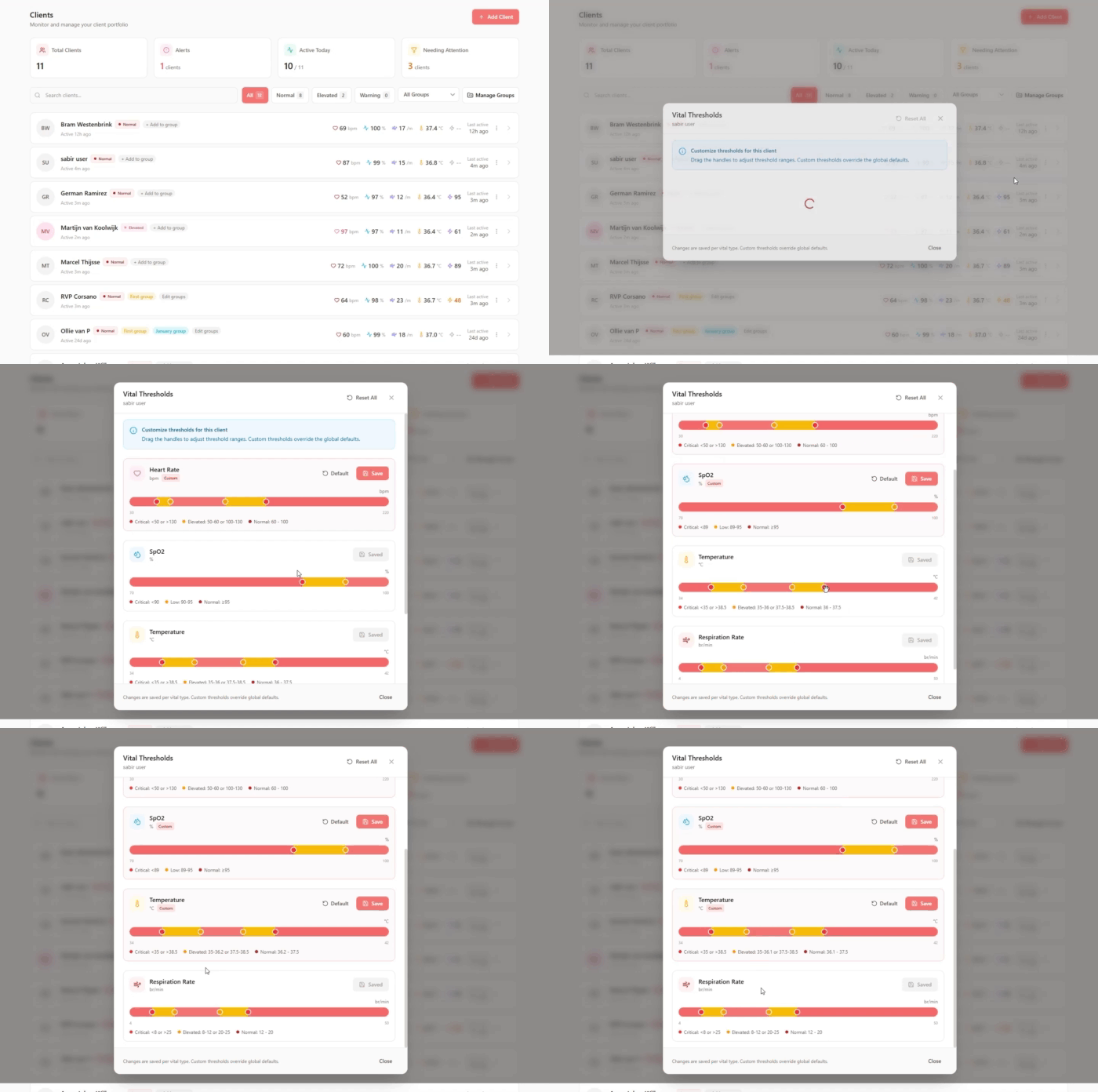
Get tracking systems in place. Whatever matters for this client: sleep, stress, movement, heart rate, whatever, start collecting that data now. Not next week. Now.
Let them live their regular life. This is weirdly hard for a lot of coaches to accept, but you need to see their REAL baseline. If you ask them to change things already, you're measuring a performance, not their reality.
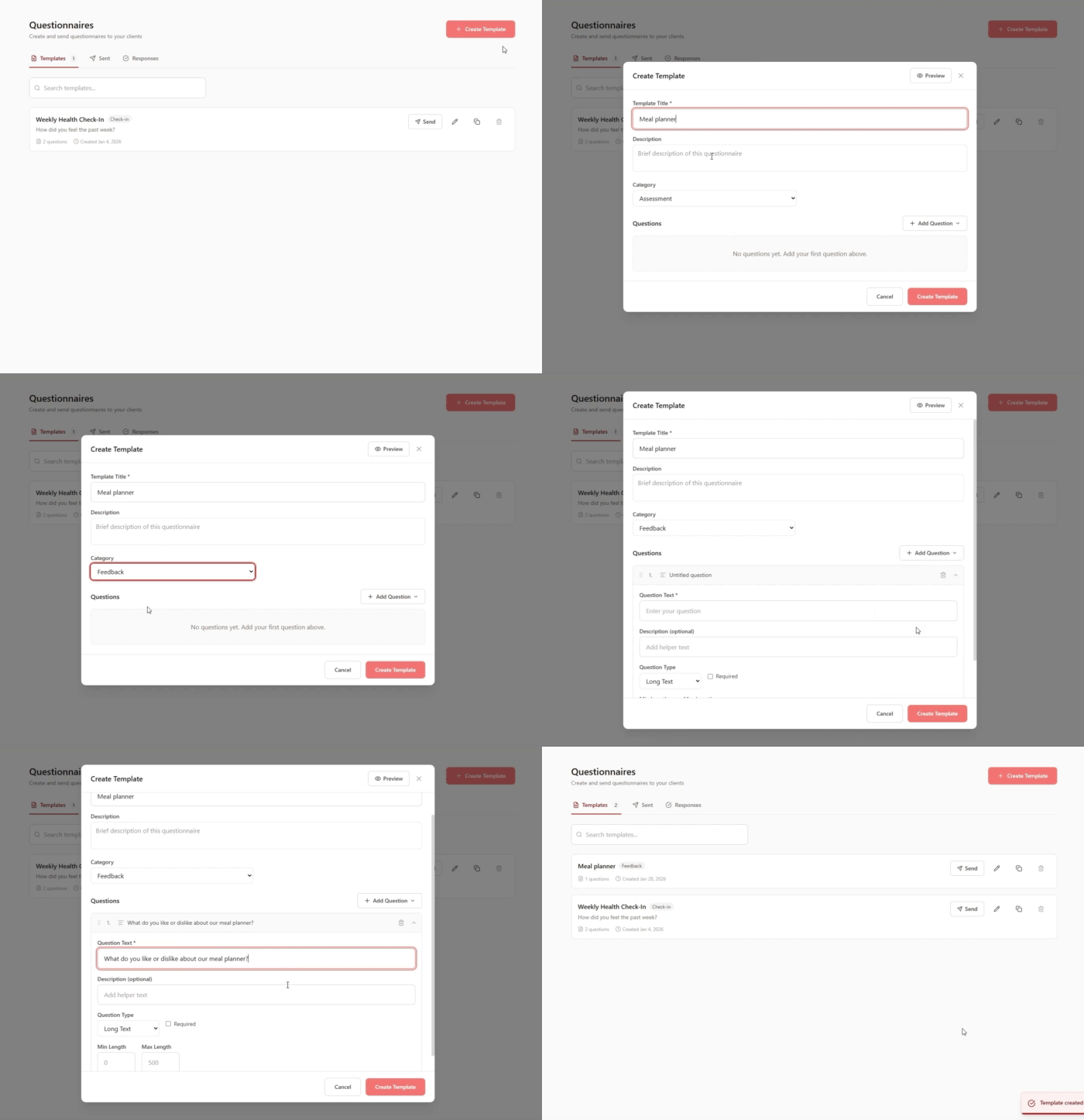
Send questionnaires before your first real session. Lifestyle, goals, past attempts, current constraints. Get all that context without burning through your call time.
What I Use
CardioMood's client dashboard pulls all the baseline data into one spot, which honestly saves me hours. The health assistant generates a snapshot before the first working session, and the questionnaires handle the basic intake stuff automatically.
But use whatever system works for you. The point is: systematic data collection from day one.
The Big Screw-Up
Trying to implement changes in week one. I know it feels productive, but resist. This week is observation mode only.
Weeks 2-4: First Changes (Just One or Two, I'm Serious)
Okay, now we can start making moves. But here's where discipline comes in.
Keep It Small
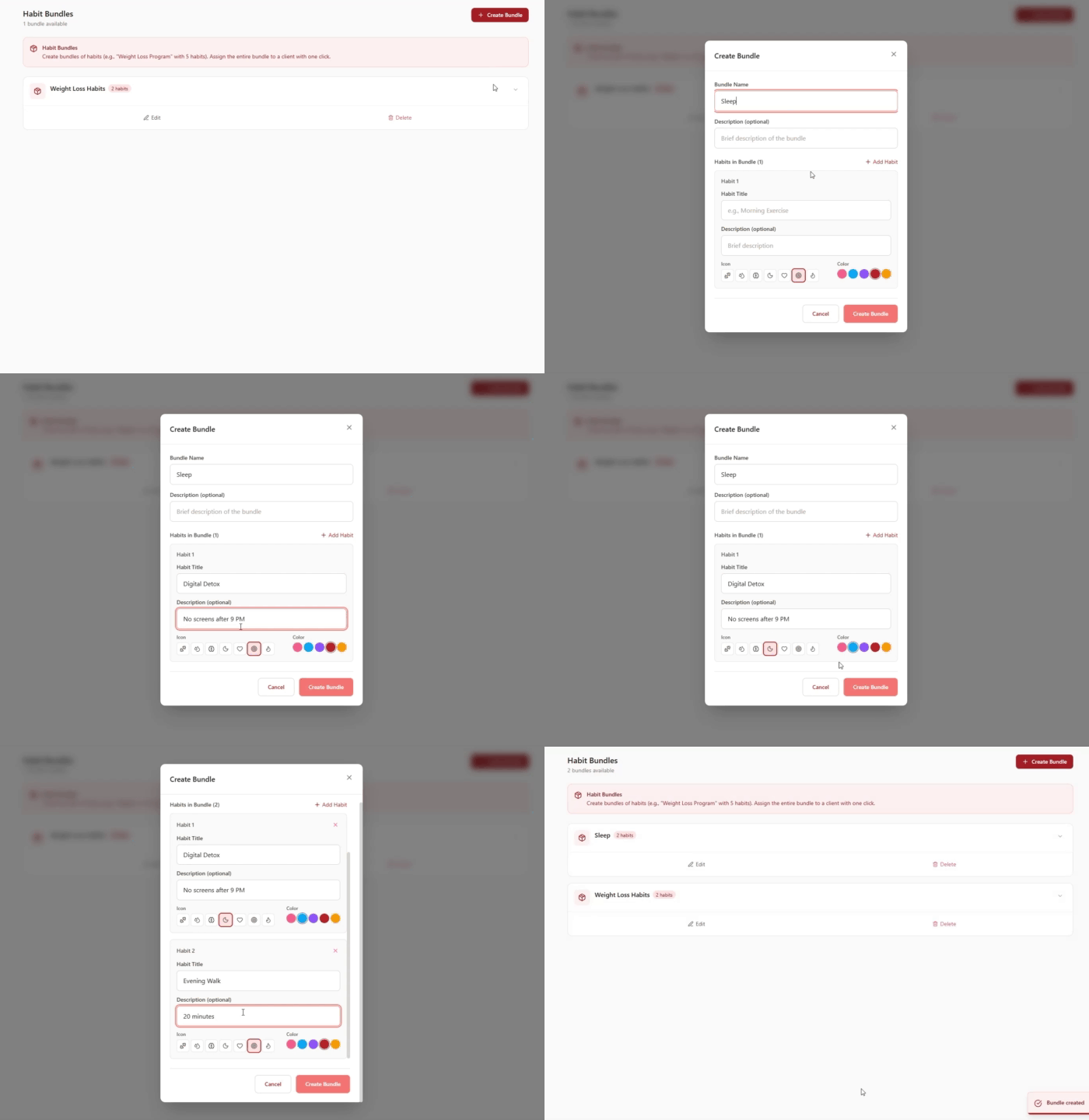
One habit. Maybe two if they're really simple. Examples:
- Same bedtime every night (even if it's not the "optimal" time yet)
- 10-minute walk every morning
- Phones out of the bedroom by 10pm
I've watched coaches (including past me) try to change five things at once. It always falls apart. Always.
Why These Weeks Matter So Much
You're not just building habits here. You're building:
- Trust (you get their life, not some fantasy version)
- Proof (small wins that show this actually works)
- Sustainability (they can stick with this)
Data Makes You Look Smart
Instead of generic advice, you can get specific now. "Your recovery data shows you do better when you're asleep by 11pm. Not 11:30, not midnight, 11pm seems to be your sweet spot. Want to test that for a week?"
Totally different vibe than "you should sleep more," right?
What to Track
- Consistency (not perfection, just showing up)
- Engagement (are they actually participating or going through the motions?)
- Data smoothing out (when habits stick, the metrics get less chaotic)
I use the habit tracking feature and secure messaging to keep tabs without being annoying about it. Quick check-ins, celebrate small wins, adjust if something's clearly not working.
Success Markers
By week 4, you should see:
- They're still engaged (showing up, tracking, responding)
- The habits feel doable to them
- Data's starting to show patterns instead of random chaos
Weeks 5-8: Pattern Recognition (This Is Where It Gets Good)
This phase is honestly my favorite because you stop guessing and start knowing.
The Shift
You go from "let's try this approach" to "okay, here's what your body consistently does in X situation."
Real Examples from My Clients
- One guy's stress would spike every Sunday night (work dread), and his resting heart rate would be elevated Monday and Tuesday. Once we saw that pattern, we could work on the Sunday anxiety specifically.
- A client's sleep quality tanked every time she did high-intensity workouts two days in a row. Easy fix: space them out.
- Another person's weekend schedule was so different from weekdays that it basically ruined her sleep until Wednesday. We had to find ways to keep SOME consistency.
Getting Precise
Your recommendations stop being general and start being surgical:
- "Move your hardest workout from Thursday to Tuesday: your data shows you're consistently depleted by Thursday"
- "Your best sleep happens when you're in bed by 10:45. What's keeping you up past that?"
- "You need a recovery day after high-intensity work. Right now you don't have that built in."
Tech That Helps
Trend views are crucial here, you need to see weeks at a time, not just daily snapshots. The health assistant in CardioMood connects patterns across different metrics (like how sleep affects workout performance affects stress levels). Smart alerts flag when things start going sideways.
Mental Shift
You're not building habits anymore. You're optimizing systems based on what this specific person's body is telling you.
Weeks 9-12: Results & Next Steps
This is what clients have been waiting for. "Is this actually working or what?"
What to Measure
Look at trends over the full 12 weeks:
- Sleep quality trajectory
- Resting heart rate changes
- Stress patterns
- Recovery consistency
You're looking for small, steady improvements that compound. Not dramatic before-and-after transformations that never last anyway.
Show Them the Proof
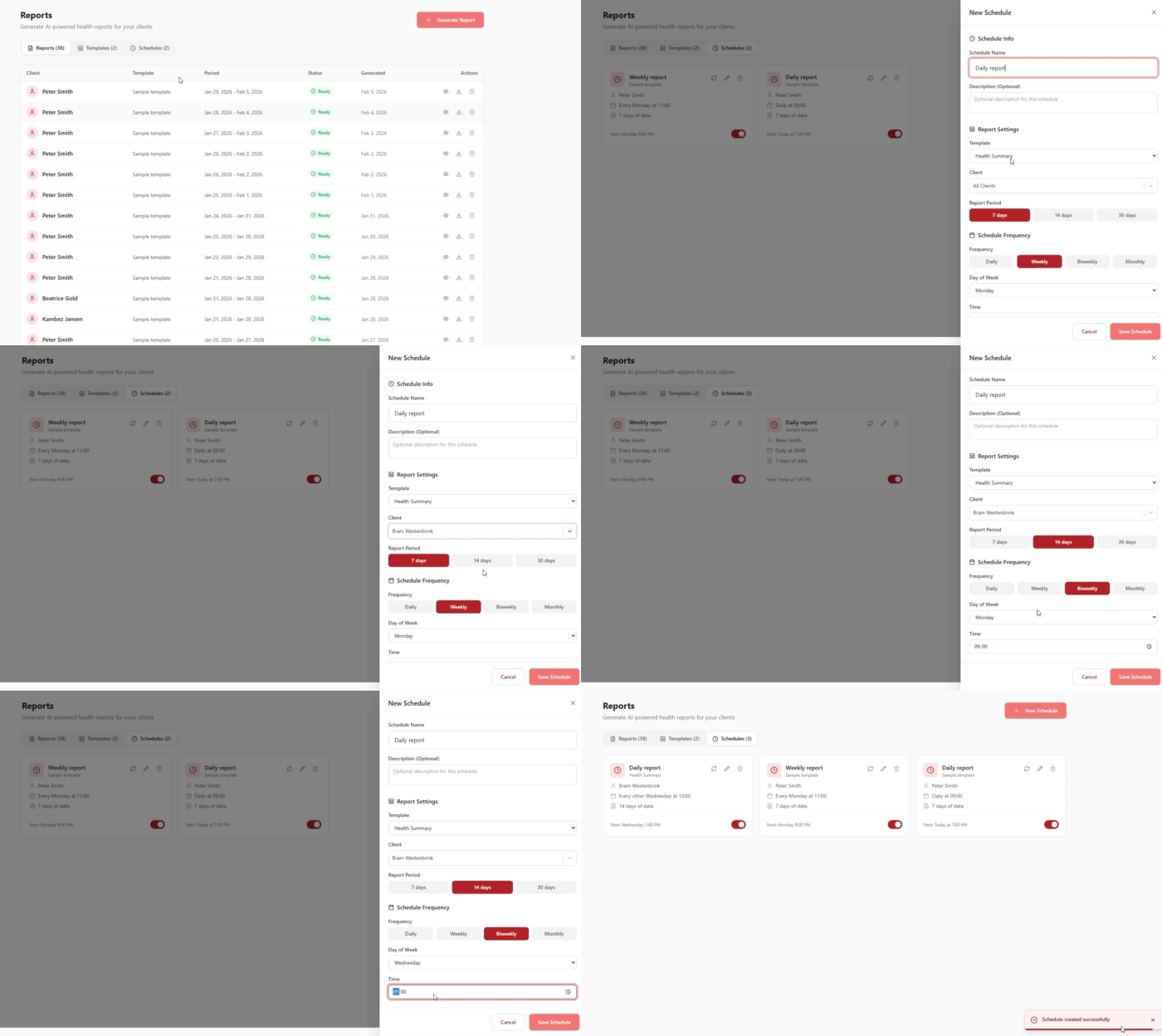
People don't feel improvements they can't see. This is where visual reports matter.
I use the health reports feature to generate a professional summary with visual trends. Before and after comparisons. Make it obvious what's changed.
Some clients won't notice they're sleeping better until you show them the graph. Seriously.
End of 90 Days
You should have:
- Clear baseline vs. current state data
- Strategies you know work for THIS person
- Confidence (backed by actual data) in your approach
From here, you either keep optimizing what's working or introduce new goals. Either way, you're building on proven ground instead of starting from scratch.
Why This Structure Works
It's progressive. Each phase builds on what came before:
- Understand - figure out what's actually happening (not what you think is happening)
- Stabilize - build foundational habits that stick
- Optimize - refine based on observed patterns
- Measure - prove it's working with data
No guesswork. When something's off, you have data to guide the fix instead of just trying random stuff.
Bottom Line
The gap between okay coaching and exceptional coaching usually isn't more knowledge. It's having a clear structure.
When clients understand what phase they're in, they feel oriented instead of lost. When you know what to focus on each week, you make better decisions faster. Everything improves: communication, trust, results.
I've used variations of this 90-day structure for years now, and it's the single biggest improvement I've made to my coaching practice. Not fancy certifications or new assessment tools. Just having a plan.
Try It Out
If you want the tracking, reporting, and pattern recognition built into your workflow automatically, check out CardioMood. It handles the data infrastructure so you can focus on the actual coaching.