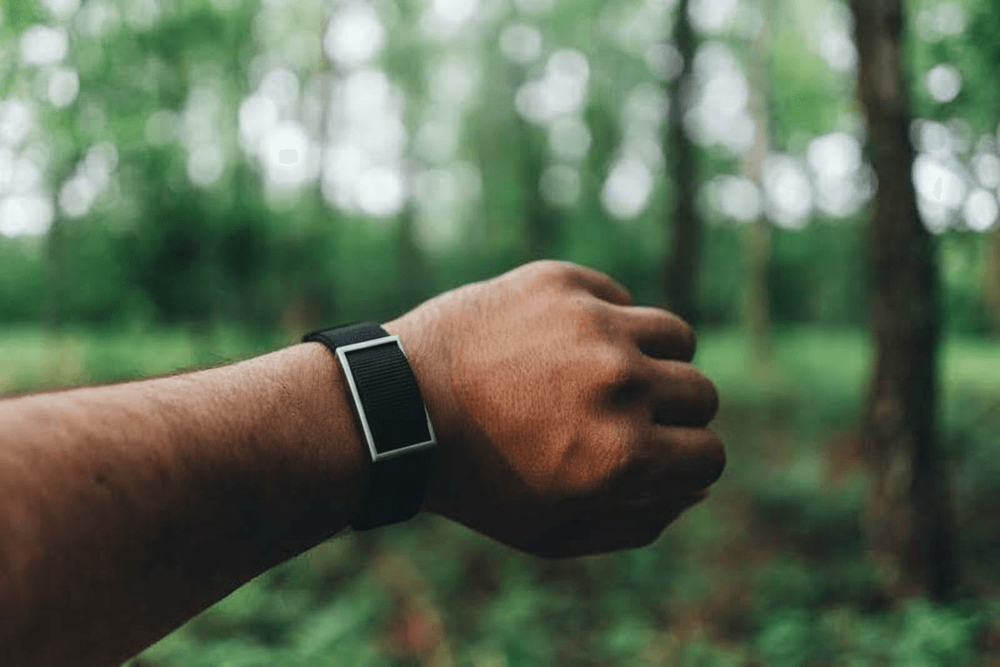
Some clients just don’t need constant tracking. But for others, bringing data into your coaching can turn everything around.
Ever worked with someone who’s just not consistent? Felt like you’re always guessing? Or picked up that something’s off, but you can’t put your finger on it? Honestly, it’s probably not your coaching, it’s that you can’t see what’s really going on outside your sessions.
Once you get that window into their day-to-day reality, the whole process changes. Some clients suddenly get a lot easier to help, and results show up faster. Here’s a closer look at five client groups that make the biggest leaps with continuous monitoring.
1. High-Stress Professionals
Founders, execs - the folks who insist they’re “fine” while running on fumes. Most don’t see how much stress drags them down until the numbers spell it out.
 Pexels: Man in White Long Sleeve Shirt Holding his Face
What’s Underneath:
- Chronic stress they barely notice
- Tough nights and poor recovery
- Burnout lurking in the background
They adapt and think it’s normal. That’s the problem.
Key Metrics:
- Heart Rate Variability (HRV)
- Real-time stress tracking
- Sleep quality
How to Use the Data: Instead of vague advice about “managing stress,” you can actually show, “Here’s how your HRV tanks after back-to-back meetings. And you pay for it the next day.” Instant feedback.
What They Gain:
- Clarity from data
- Simple fixes that stick
- Direct cause-and-effect they can see
Mini Win:
One client cut late-night work calls. In just a week, stress dipped, sleep smoothed out, and HRV bounced back. The big difference? They saw proof - and made a change.
2. Sleep-Deprived Parents
These clients aren’t short on effort, they’re short on sleep, and “just try harder” isn’t useful.
 Pexels: A Mother Using Laptop with her Son
What’s Their Reality:
- Choppy, broken sleep
- Drained recovery
- Zero control over their schedule
- Stretching themselves thin and blaming themselves
Metrics That Help:
- Sleep stages through the night
- Night-by-night sleep trends
- Recovery scores
The Coaching Shift: Ditch sleep perfection. Instead, go for tiny steps, repeatable wins, and extra support on recovery. It’s about progress, not perfection.
What Changes:
They stop beating themselves up. You can point out, “Yeah, the baby woke you up three times, but you still did better by getting to bed earlier.”
Mini Win:
One parent moved bedtime 30 minutes up, despite the same interruptions, deep sleep and recovery jumped. Proof that little tweaks matter.
3. Athletes in Training
This one seems obvious. But plenty of athletes still “go by feel”, and feelings can fool you.
 Pexels: People Running on a Track
Their World:
- Rigid training programs
- Recovery varies, often guessed
- Risk of pushing too hard
Metrics to Track:
- Recovery or readiness scores
- HRV trends
- Sleep quality
Coaching in Action:
Tweak training intensity or recovery days based on how their body’s actually responding, not just what’s on the plan.
Results:
- Smarter training, less guesswork
- Better recovery
- Burnout stays away
Mini Win:
One athlete dialed down intensity on tough recovery days and saw steadier performance and fewer crashes. Progress lasted longer, too.
4. Cardiac Rehab Clients
Here, tracking isn’t just handy, it’s necessary.
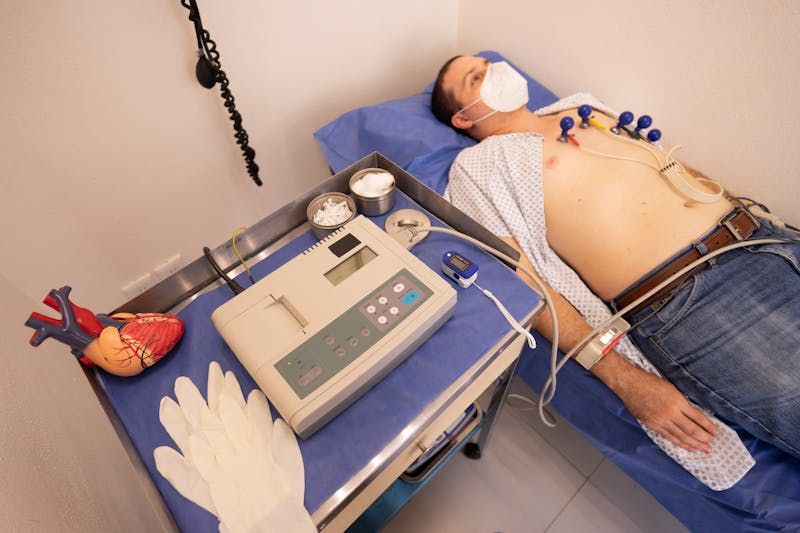 Pexels: A Man Lying on the Bed
What’s Different:
- Everything needs close monitoring
- Can’t handle big shocks to the system
- Recovery must be steady and safe
Crucial Metrics:
- Ongoing heart rate tracking
- Blood pressure over time
- Respiration rate
- ECG and related signals
How it Helps:
You watch their response in real time, spot patterns before they become problems, and steer recovery safely.
The Big Shift:
Greater safety, more trust (for everyone), and better follow-through.
Mini Win:
One client showed weird recovery data, so you adjusted early. They dodged overexertion and serious setbacks. Here, data keeps them protected, not just informed.
5. Weight Loss Clients
This is the most misunderstood group: weight loss isn’t just a calories game.
 Pexels: Close-up of Person Standing on Scales
What’s the Real Story:
- Can’t stick to routines
- Sleep messes with progress
- Stress stalls the scale
- Bodies fighting back with slowdowns
Most Useful Metrics:
- Steps and movement
- Sleep quality
- Stress markers
- Patterns in recovery
Coaching Moves:
Draw the links: poor sleep boosts stress, progress crawls; low recovery, less movement, less success.
Perspective Shift:
They stop blaming themselves for lack of effort. Instead, they get, “My body needs more recovery.”
Mini Win:
A client focused on steadier sleep. No diet change, but energy shot up, activity went with it, and weight started dropping again.
What Do These Clients Share?
On the surface, they don’t look alike. But they all have one thing in common: What truly shapes their success happens in the hours when you’re not with them. Continuous monitoring turns those invisible hours into real, usable information.
Why This Matters for Your Practice
If you want to stand out, you don’t need to work with everyone, you need to work with clients who thrive on insight. The ones who want to see measurable change and are ready to act on it.
Final Thought
You don’t need a bigger client list. You just need the right people, and the right tools to give them something real. Mix clear coaching with ongoing data and insights, and suddenly, results aren’t a mystery. They’re the norm.
If you’re ready to focus on high-impact clients, see how CardioMood makes results less of a guessing game and more of a sure thing.
Featured image (cover): Pexels: Running Data on Apple Watch on Hand