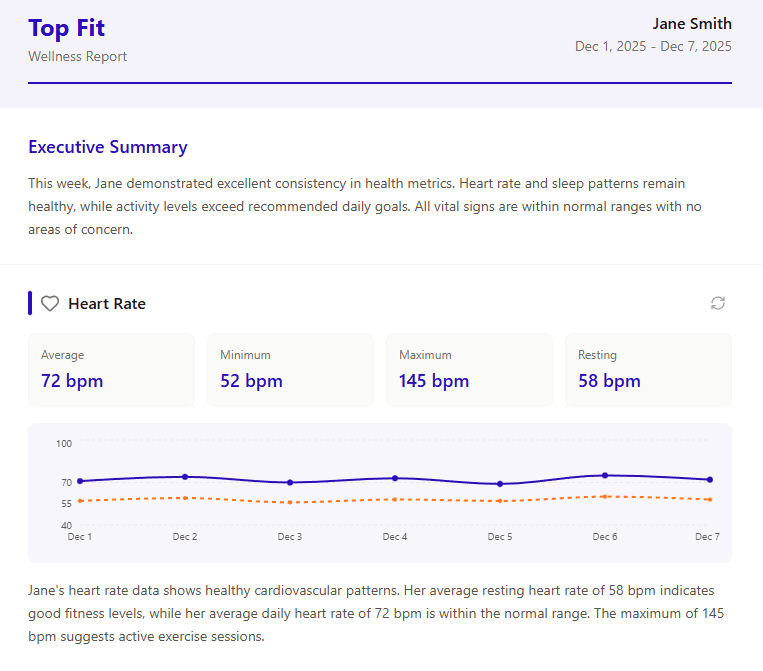
Most coaches see reports as just part of the job. Something you send after a program wraps up, or maybe just a nice touch if you have time. But here’s what people often miss: your report is already one of your most powerful business tools. Odds are, you’re not using it nearly enough.
A really good report doesn’t just list off numbers. It actually tells the client’s story. And that story does a lot of heavy lifting for your business. It reminds clients why your work matters, helps keep them around, and honestly, it can even bring in new business without you having to pitch.
Let’s look at why reports make such a difference, and how you can make them work for you.
Why Report Quality Matters More Than You Think
Picture this: your client finishes 12 weeks of coaching. They feel better, sure, but when a friend asks, “What did you actually get out of it?”... they kind of freeze. They’ve got a vague idea, maybe some new habits, but nothing concrete. That’s a dead end for both your client and your business.
Now flip the script. Imagine the client pulling up a clear, sharp report. They can show how their sleep improved, stress dropped, or recovery trends changed: actual before-and-after snapshots. Suddenly, they’re not just talking about a “feeling.” They’re sharing proof.
That’s where reports start doing real work for you. A professional report helps clients actually see their progress. It gives them a way to explain it to others (which means more referrals for you). And it proves there’s a structure behind your coaching.
All that adds up to higher retention, happier clients, and an easier time getting people into your next program.
What Makes a Report Actually “Professional”?
It’s not about making the report longer, or cramming it with more charts. If anything, that can backfire and just confuse people. You want clarity, not complexity.
Ask yourself: does your report answer three simple questions?
- What changed?
- Why did it change?
- What should we do next?
Nail those, and you’re doing better than most.
The Anatomy of a CardioMood Report
Here’s how CardioMood approaches it.
-
Clear Overview (The Story in One Page) Start with the part everyone reads first. Show the highlights: main wins, challenges, and a summary in plain English. Skip the technical jargon.
-
Visual Trends (The Proof) Bring in the charts, but keep them clear. Show how sleep, stress, and recovery have changed over time. Let the data speak for itself.
-
Insight Layer (The “Why”) This separates a report from just a pile of numbers. Don’t just say, “HRV improved by 10%.” Add, “Consistent sleep and less late-night stress boosted your recovery.” Now the story clicks.
-
Recommendations (The Next Step) Don’t just end with what’s happened. Point forward. Suggest what to keep, what to change, and what comes next.
How CardioMood Helps
-
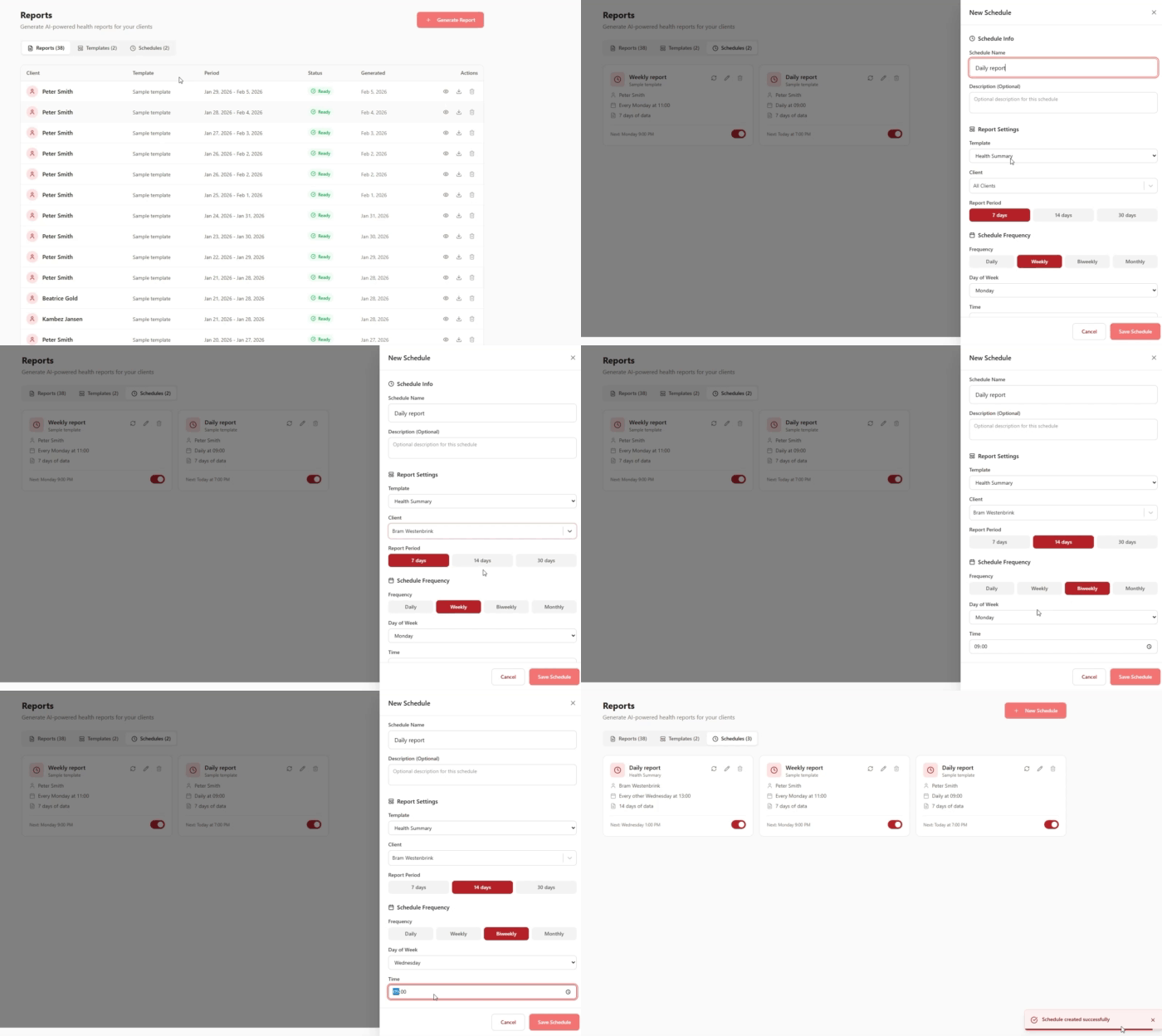
Reports get built in seconds, not almost an hour
-
The AI assistant helps organize your thoughts and highlights
-
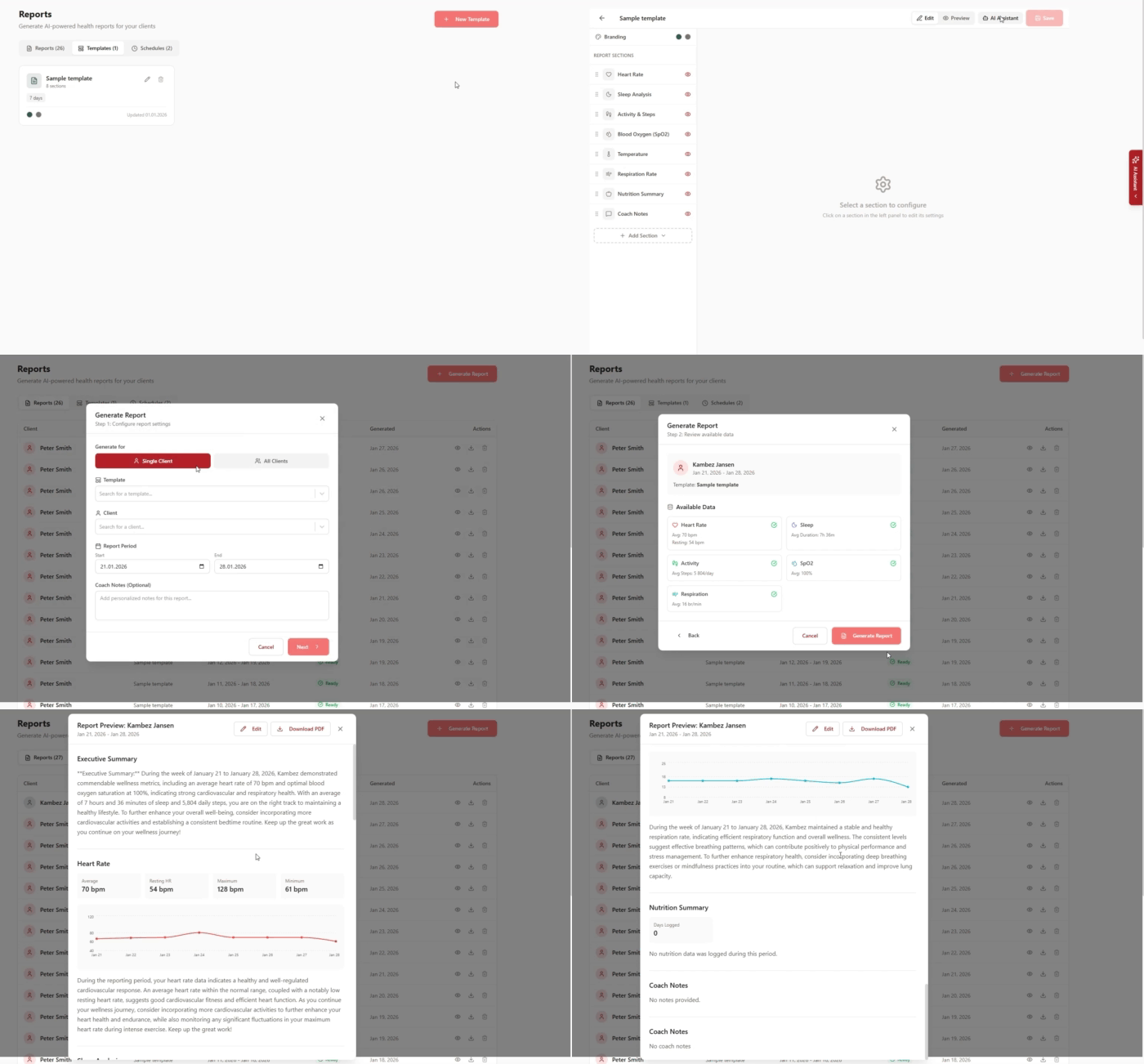
You can brand the whole thing to look like your own, not just a generic handout
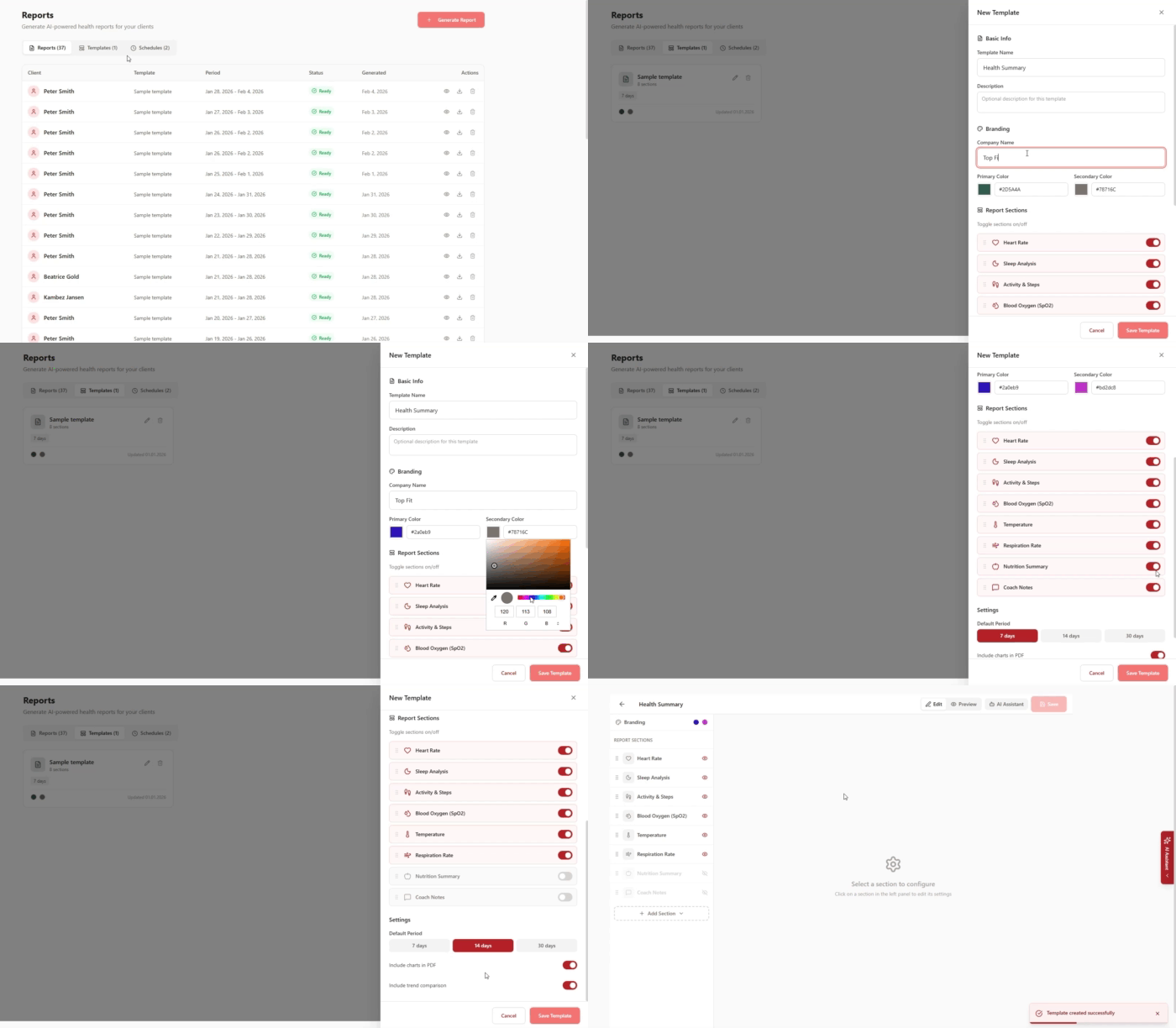
Before vs. After: Why Presentation Changes Everything
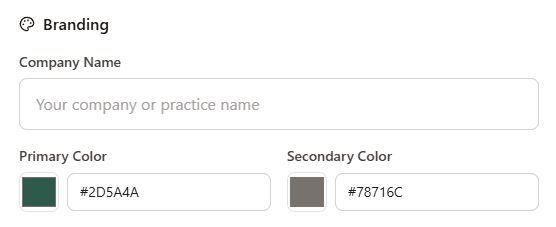
Let’s be real. Most coaching “reports” are just screenshots, random charts, and a few notes slapped together in PDF or Google Docs. They get the job done, but they don’t wow anyone.
Generic reports feel scattered. Clients glance at them and think, “Okay... but what does this really mean?”
Now look at a polished, professional report. The info is structured and branded. The story is clear. Suddenly, your client thinks, “Wow, this is legit. I made real progress.”
Same data, totally different impression. And yeah - how you present things matters way more than most coaches realize.
Using Reports as a Client Acquisition Tool
Here’s where things get interesting. Your reports don’t just have to sit in someone’s inbox.
-
Shareable Results (With Permission) Clients can show their results to friends or forward sections that matter to them. That’s word-of-mouth marketing that doesn’t feel salesy.
-
Leverage Reports in Sales Conversations When talking to new clients, stop telling and start showing. Pull up an anonymized report. Display actual outcomes. Structure builds confidence and trust, fast.
-
Position Yourself as “Data-Driven” Even if your coaching style is super personal, a professional report signals that you’re organized, consistent, and can measure results.
Template Customization Tips (Without Overdoing It)
It’s tempting to tinker endlessly, but streamlined is almost always better.
Focus on:
- Your logo and colors
- The tone of your summary (casual or clinical, whatever matches your style)
- Key areas (like performance or stress, depending on your client)
Skip the temptation to:
- Add a ton of charts and numbers
- Get too technical
- Over-explain every detail
Honestly, if you have to spend 20 minutes explaining the whole report, it’s trying too hard.
The Hidden Benefit: It Saves You Time
People overlook this all the time. Without automation, reports can eat up to an hour of your week, plus repeating the same explanations. That’s a drain.
With a solid system, reports pop out instantly, insights are already framed, and now you can just focus on what clients really need - interpretation and next steps.
Final Thought
Your report isn’t just a wrap-up or a nice-to-have. It’s a reflection of your professionalism, a source of motivation for clients, and a quiet but powerful marketing tool. You’ve got the data. The difference is all in how you use it.
Ready to turn your client results into a growth engine for your business? Generate your first pro-level report with CardioMood in seconds.