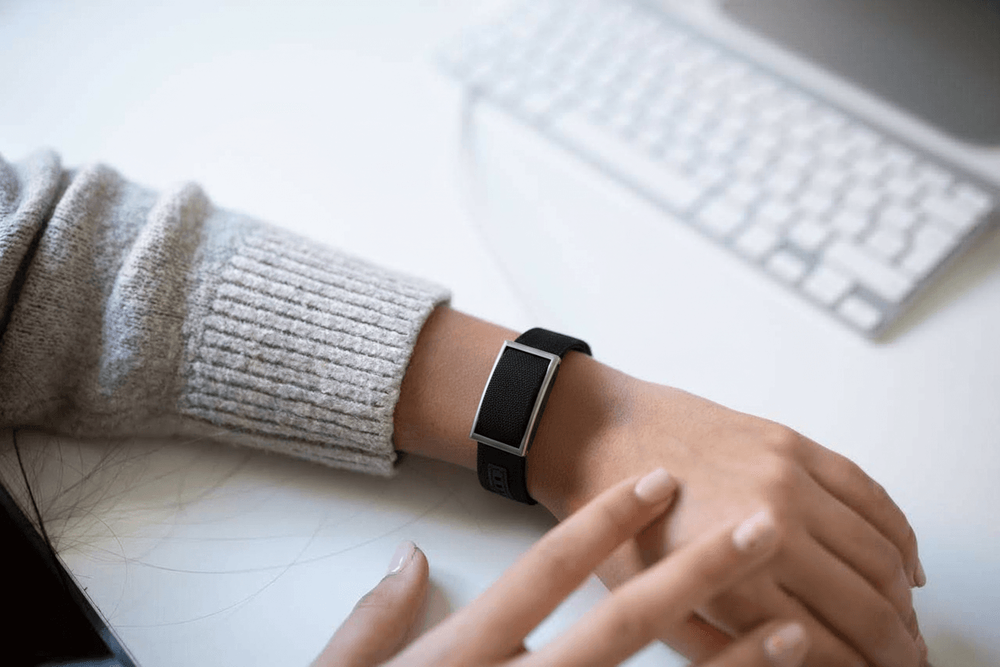
Blood pressure is one of the most crucial numbers for your health. At the same time, it’s probably one of the most annoying to monitor. Why? The classic method is stuck in the past: a cuff squeezes your arm, grabs a single measurement (usually at the worst possible time), and that’s it.
If you’ve worked in a clinic or rehab, you know how shaky that single number can be. Patients tense up, and their blood pressure spikes. The timing can throw things off, and you never really catch the big picture. Tracking trends? Good luck.
So, continuous cuffless monitoring feels like a big leap. But it sparks two obvious questions:
First, how does it actually work? And second, can you trust the numbers?
Let’s tackle both, no fluff, just facts.
Why the Old-School Cuff Comes Up Short
Before we get into what’s new, let’s be honest about why the old way isn’t cutting it:
- Cuff measurements only show you that one moment.
- They swing with stress, posture, and timing.
- Taking them all the time? Pretty inconvenient.
So, most decisions are based on one or two readings. That’s just not enough.
How Do Cuffless Blood Pressure Monitors Work?
These don’t pump up a cuff. Instead, they watch for ongoing physiological signals.
Platforms like CardioMood mix a bunch of inputs:
- Heart rate and rhythm
- Pulse wave patterns
- Heart rate variability
- Even your breathing patterns
Validated algorithms then crunch all that data and estimate blood pressure as you go about your day.
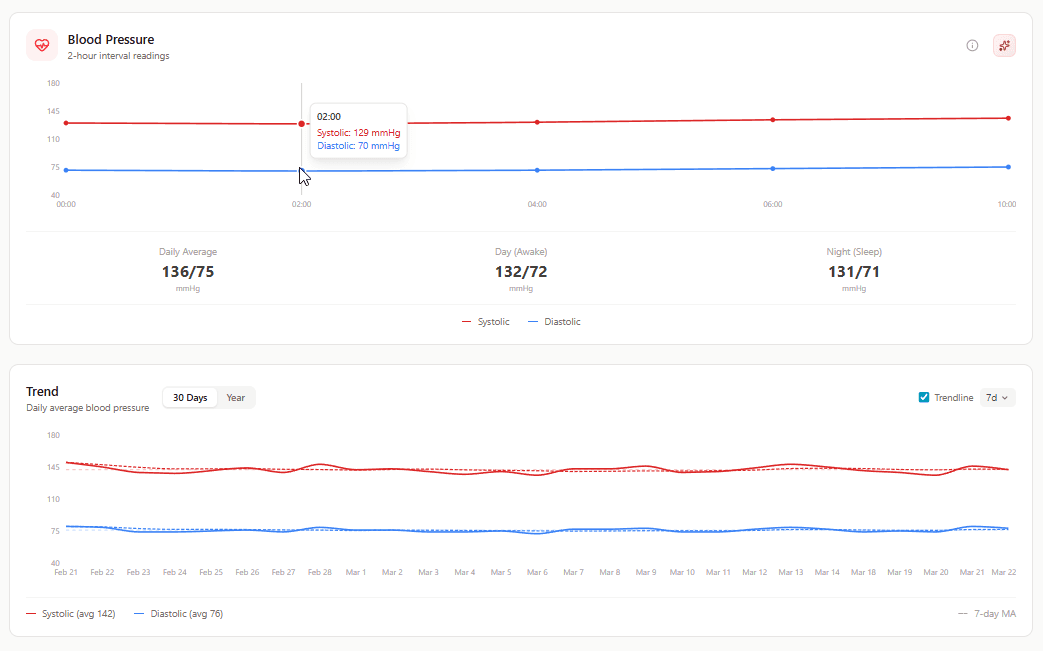
What’s really different here? Traditional cuffs measure pressure directly, but only occasionally. Cuffless systems estimate pressure continuously. You swap a little single-reading precision for insights over time, and honestly, watching trends often tells you more about real health.
What About Accuracy?
This is the deal breaker. If the numbers aren’t good, none of this matters, especially in medicine.
So, how do you know if you can trust it?
Clinical Testing at Reinier de Graaf Hospital
CardioMood actually put their system through hospital validation. Not just "does it work," but:
- Does it match up with clinical measurements?
- How well does it perform in different settings?
- Can it track shifts and trends reliably?
What "Accurate" Really Means
No, cuffless systems aren’t meant to kick the old-school cuff out for every situation. They’re judged by:
- How close they are to cuff readings
- How consistent they stay with repeated use
- Whether they spot meaningful changes
In return, you get:
- Continuous tracking
- Early warning from trends
- Data with real-life context
Cuff vs. Cuffless: How They Stack Up
Traditional Cuffs:
- Super accurate for one-off checks
- Manual and a hassle for frequent use
- Easy to mess up with stress or bad timing
- No way to catch trends
Cuffless Monitoring:
- Always on
- Shows trends in context
- Works in the background
- Maybe not as razor-sharp per reading, but way more useful for patterns
Clinically, it’s a shift from asking, “What’s your blood pressure right now?” to “How does your blood pressure behave all day?” That actually helps a lot more with real-life care.
Where Cuffless Monitoring Shines
This isn’t a replacement for clinical-grade diagnosis. It’s extra power for specific situations:
-
Cardiac Rehab
- See how patients recover at home
- Watch how they handle exercise
- Catch abnormal trends early
-
Hypertension Management
- Track day-to-day changes
- Spot lifestyle links
- Help patients be more aware
-
Stress & Lifestyle Analysis
- Connect blood pressure to sleep, stress, and activity
- Identify triggers
- Support healthy behavior changes
-
Remote Monitoring
- Cut down on clinic visits
- Give better support between appointments
The Limits and Why They Matter
Let’s not oversell it.
-
Not For Diagnosis
- You still need cuffs for official or emergency reads.
-
Calibration & Personal Differences
- Some systems need calibration, and people vary.
-
Motion and Signal Issues
- Moving around can muddy the readings.
-
Regulatory Questions
- These devices might be classified differently depending on where you live - sometimes as medical devices, sometimes just wellness tools. Know what you’re dealing with.
Regulatory Stuff You Should Know
If you’re recommending or using these devices, be clear:
- They add to diagnosis; they don’t replace it.
- Set expectations right for patients.
- Use cuffless monitoring to support decisions, not make them outright.
So...Is Cuffless Monitoring Ready for Prime Time?
Short answer: yes, if you know what it’s for.
It’s not about replacing the cuff. It’s about gaining sight across the entire day, in the real world, not just snapshots.
Sometimes, that changes everything.
Final Thought
We’ve always measured blood pressure in little frozen moments. It’s time to see it for what it really is: a living, changing signal, shaped by stress, sleep, activity, and more. That leap from static to continuous is a game changer.
Ready to see how continuous, validated blood pressure tracking fits into your care routine? Check out how CardioMood brings real-world data into your daily workflow.
Featured image: Pexels: A Person Wearing Black Smart Watch