The Question That Could Define Your Professional Credibility
A client comes to you with concerning heart rate data from their smartwatch. It shows irregular patterns that suggest a potential cardiac issue. You adjust their entire program based on this information.
Three weeks later, they see their cardiologist. The medical-grade ECG shows nothing unusual. Their smartwatch was just... wrong.
Now your client questions your judgment. Your recommendations. Your expertise.
This scenario plays out more often than most health professionals realize. And it all comes down to one critical distinction that the fitness tech industry doesn't want you to think about:
Not all wearables are created equal.
The Accuracy Gap Nobody Talks About
Let's start with the number that should change how you think about wearable technology:
Consumer fitness trackers have error rates of 20-30% for key health metrics.
Medical-grade devices? Validated at 99.2% accuracy against clinical gold standards.
That's not a small difference. That's the difference between making confident professional recommendations and essentially guessing.
What This Means in Practice
Scenario 1: Heart Rate Monitoring
Consumer device: Shows 145 bpm during moderate exercise Actual heart rate: 168 bpm Your recommendation based on inaccurate data: "Great job staying in your target zone!" Reality: Client is overtraining and headed toward burnout
Scenario 2: Recovery Assessment
Consumer device: "85% recovered, ready for intense training" Medical-grade device: HRV indicates significant stress, recovery at 62% Your recommendation matters: Push hard vs. active recovery day
Scenario 3: Sleep Quality
Consumer device: "7.5 hours, 82% quality" Actual sleep architecture: Fragmented REM, minimal deep sleep, poor quality Client complaint: "I'm doing everything right but still exhausted"
One of these scenarios lets you be the professional you trained to be. The other makes you look like you're working with unreliable data.
Because you are.
What "Medical-Grade" Actually Means (And Why It Matters)
"Medical-grade" isn't marketing jargon. It's a specific standard with specific requirements.
Clinical Validation Requirements
Medical-grade devices must be:
1. Tested Against Clinical Gold Standards
- ECG for heart rate and rhythm
- Polysomnography for sleep stages
- Sphygmomanometer for blood pressure
- Laboratory-grade instruments for all parameters
2. Validated in Peer-Reviewed Studies
- Published in scientific journals
- Independent research at clinical institutions
- Statistical analysis of accuracy
- Sample sizes large enough to be meaningful
3. Reproducible Across Populations
- Different age groups
- Various fitness levels
- Multiple body types
- Diverse health conditions
4. Transparent About Methodology
- Publicly available validation data
- Clear explanation of algorithms
- Documentation of limitations
- Ongoing accuracy monitoring
CardioMood's Validation: The Evidence
This isn't theoretical. CardioMood's wearable has been validated at multiple European clinical institutions:
Heart Rate & R-R Intervals: CCN (Cardiology Centers of the Netherlands)
- 99.2% accuracy vs. clinical ECG
- Tested across varied heart conditions
- Published, peer-reviewed results
Respiration Rate: Haaglanden Clinics
- Validated against clinical respiratory monitoring
- Accurate across different breathing patterns
- Reliable during sleep and activity
Blood Pressure: Reinier de Graaf Hospital
- Cuffless monitoring validation
- Compared against traditional sphygmomanometer
- Clinical accuracy standards met
Core Temperature: GreenTeg AG
- Dual sensor validation (skin + core estimation)
- Laboratory testing conditions
- Medical-grade temperature accuracy
Atrial Fibrillation Detection: Preventicus
- ECG algorithm validation
- Cardiac arrhythmia detection accuracy
- Clinical diagnostic support capability
This is what separates a professional tool from a consumer gadget.
The Consumer Fitness Tracker Problem
To be clear: consumer fitness trackers aren't inherently bad. They're just not designed for what you're trying to do with them.
What Consumer Devices Are Optimized For
1. Marketing Appeal
- Sleek design over sensor accuracy
- Feature quantity over feature quality
- App engagement over data precision
2. General Population Trends
- "Good enough" for casual fitness enthusiasts
- Motivational rather than diagnostic
- Directional data, not clinical precision
3. Legal Protection
- Explicitly not medical devices
- Disclaimers about accuracy
- "For entertainment purposes" fine print
Where Consumer Devices Fall Short
Heart Rate Variability (HRV)
- Most consumer devices don't measure true HRV
- Simplified algorithms that miss nuance
- Can't detect subtle autonomic nervous system changes
- Unreliable for stress and recovery assessment
Sleep Staging
- Accelerometer-based guessing vs. actual brain wave monitoring
- Often confuses lying still with deep sleep
- Misses sleep fragmentation
- REM detection particularly unreliable
Blood Oxygen (SpO2)
- Inconsistent across skin tones
- Unreliable during movement
- Often only measures periodically, not continuously
- Not suitable for respiratory condition monitoring
Blood Pressure
- Many don't measure it at all
- Those that do often lack clinical validation
- Cuffless technology varies wildly in accuracy
- Can give false sense of security for hypertensive clients
Stress Level
- Proprietary algorithms with no clinical backing
- Often just inverse of activity level
- Doesn't correlate with actual physiological stress markers
- Misleading for stress management coaching
The Professional Liability Question
Here's the uncomfortable truth: if you're making health recommendations based on unreliable data, you're operating on shaky ground.
Legal Considerations
Scope of Practice
- Health coaches aren't medical professionals
- But you are held to professional standards
- Using validated tools strengthens your position
- Using unreliable tools creates liability exposure
Documentation
- Medical-grade devices provide defensible data
- Consumer devices have explicit "not for medical use" disclaimers
- Your professional insurance may care about this distinction
Client Safety
- Missed warning signs due to inaccurate data
- Inappropriate recommendations based on false readings
- Failure to recognize when medical referral is needed
Professional Reputation
- One misdiagnosis due to bad data can define your career
- Word spreads quickly in the health and wellness community
- Your tool choices signal your professional standards
The 19-Parameter Advantage
CardioMood doesn't just track a few metrics accurately. It monitors 19 clinically validated health parameters continuously:
Cardiovascular System
- Heart Rate (continuous, medical-grade accuracy)
- Heart Rate Variability (true R-R interval measurement)
- Blood Pressure (validated cuffless monitoring)
- ECG (single-lead electrocardiogram)
Respiratory System
- Respiration Rate (breath-by-breath accuracy)
- SpO2 (blood oxygen saturation)
Autonomic Nervous System
- Stress Level (real-time physiological stress markers)
- Recovery Score (multi-parameter readiness assessment)
Sleep & Circadian Rhythm
- Sleep Stages (Light, Deep, REM)
- Sleep Quality Score
- Sleep Latency (time to fall asleep)
- Wake Episodes
Metabolic & Temperature
- Skin Temperature
- Core Temperature (estimated via dual sensors)
- Calories Burned (based on actual metabolic data)
Activity & Movement
- Steps
- Activity Level
- Movement Patterns
- Sedentary Time
The Integration Advantage
These parameters don't exist in isolation. Medical-grade accuracy across all of them allows you to see:
- How sleep quality affects next-day recovery
- How stress impacts heart rate variability
- How activity level influences sleep architecture
- How temperature correlates with illness or overtraining
- How respiration patterns indicate stress or relaxation
Consumer devices might track some of these metrics. But without clinical accuracy across the board, you're missing the complete picture.
Real-World Impact: What Health Professionals Report
When practitioners switch from consumer devices to medical-grade monitoring, they notice immediate differences:
Detection Accuracy
Before (Consumer Device): "Client's wearable said stress levels were fine. I designed a high-intensity program. Three weeks in, she's burned out and frustrated."
After (Medical-Grade): "HRV data showed her nervous system was already taxed. We focused on recovery-based training instead. She's progressing steadily without burnout."
Client Trust
Before: "Clients would question the data when it didn't match how they felt. I had no way to validate it."
After: "When I show them our device is validated at actual hospitals, they trust the data. Even when it contradicts their perception."
Professional Confidence
Before: "I always had this nagging doubt: what if the data is wrong? I'd hedge my recommendations."
After: "I can make confident, specific recommendations knowing the data is 99.2% accurate. That changes everything."
Early Intervention
Before: "I'd see problems weeks after they started, once symptoms were obvious."
After: "Medical-grade HRV and recovery metrics show issues 7-10 days before clients feel them. We intervene early."
The Battery Life Factor (That Nobody Considers)
Here's a hidden accuracy problem with many consumer devices: frequent charging creates data gaps.
The Nightly Charging Problem
Consumer devices (1-2 day battery):
- Clients charge overnight
- Misses critical nighttime data
- Sleep tracking interrupted
- Recovery metrics incomplete
CardioMood (6-day battery):
- Continuous monitoring
- Complete sleep data every night
- No charging anxiety
- True 24/7 health picture
Why This Matters for Accuracy
The most valuable health data often happens at night:
- Sleep architecture and quality
- Overnight heart rate variability
- Stress recovery patterns
- Temperature fluctuations
- Respiratory changes
If your client's device is on the charger during these hours, you're flying blind during the most diagnostic part of the day.
The Automatic Sync Advantage
Beyond accuracy, there's another critical difference: data capture reliability.
Consumer Device Reality
- Clients must remember to sync
- Apps must stay updated
- Bluetooth connection required
- Manual intervention often needed
- Data gaps common
Medical-Grade Automatic Sync
- Continuous, automatic data transmission
- No client action required
- No "I forgot to sync" excuses
- Complete data sets for analysis
- Professional-grade reliability
Client compliance rates:
- Manual logging/syncing: 40-60%
- Automatic syncing: 95%+
You can't base professional recommendations on data you only get half the time.
The Cost-Benefit Analysis
"Medical-grade devices cost more upfront" is the objection we hear most.
Let's do the actual math:
Consumer Device Approach
- Device cost: $200-400 per client
- Accuracy: 70-80% on key metrics
- Client compliance: 50-60% (manual syncing)
- Professional credibility: Moderate
- Liability exposure: Higher (unreliable data)
- Client retention: Standard industry rates
Medical-Grade Approach (CardioMood)
- Device cost: Included in platform
- Accuracy: 99.2% clinically validated
- Client compliance: 95%+ (automatic)
- Professional credibility: High (hospital-validated)
- Liability exposure: Lower (defensible data)
- Client retention: 15-30% higher (better outcomes)
The Real ROI
If medical-grade monitoring helps you:
- Retain even one additional client per year ($2,000+ value)
- Avoid one professional liability situation
- Achieve better outcomes leading to more referrals
- Command premium pricing for validated technology
The cost difference becomes negligible.
What to Look For in a Medical-Grade Device
Not every device claiming to be "medical-grade" actually is. Here's your evaluation checklist:
✓ Published Validation Studies
- Peer-reviewed journal publications
- Named clinical institutions
- Publicly available results
- Recent studies (technology evolves)
✓ Specific Accuracy Claims
- Exact percentages vs. gold standards
- Statistical methodology disclosed
- Sample sizes documented
- Limitations acknowledged
✓ Clinical Institution Partnerships
- Named hospitals or research centers
- Ongoing research relationships
- Independent validation (not just in-house)
✓ Regulatory Consideration
- CE marking (Europe)
- FDA consideration or clearance (US)
- Compliance with medical device standards
- Clear intended use statements
✓ Transparent Methodology
- Algorithm explanations available
- Sensor technology documented
- Data processing described
- Updates and improvements communicated
✓ Professional Support
- Designed for health professionals, not just consumers
- Professional-grade reporting
- Integration with clinical workflows
- Expert technical support
✗ Red Flags
- "Clinically inspired" instead of "clinically validated"
- No named research institutions
- Vague accuracy claims ("highly accurate")
- Only in-house testing
- No peer-reviewed publications
- Purely marketing-focused messaging
The Integration Question
Even if a consumer device had perfect accuracy (they don't), there's still the platform problem.
Consumer Device Ecosystem
- Device from Company A
- App from Company A (consumer-focused)
- Export data manually
- Import to your coaching platform (Company B)
- Create reports in another tool (Company C)
- Schedule clients separately (Company D)
- Manual data compilation for analysis
Integrated Medical-Grade Platform (CardioMood)
- Medical-grade wearable
- Professional coach dashboard
- Client app
- AI assistant for analysis
- Meal planning
- Habit tracking
- Professional reporting
- All in one validated system
Time saved: 8-12 hours per week Data reliability: Significantly higher Professional presentation: Dramatically better
Making the Switch: What Practitioners Say
"I resisted switching because I thought the learning curve would be steep. Within one week, I was more efficient than I'd ever been with my old system. Within one month, I couldn't imagine going back."
- Cardiac Rehabilitation Specialist
"The first time a client's data showed a concerning pattern three days before they felt symptoms, and we intervened early, I realized this wasn't just a better tool - it was a different category of professional practice."
- Performance Coach
"I can finally justify premium pricing. When prospects see that I use hospital-validated technology, the conversation shifts from 'how much?' to 'when can we start?'"
- Wellness Business Owner
The Bottom Line for Health Professionals
You have a choice to make:
Option 1: Consumer Fitness Trackers
- 20-30% error rates on key metrics
- "Not for medical use" disclaimers
- Frequent charging and data gaps
- Manual syncing and compliance issues
- Limited professional credibility
- Higher liability exposure
Option 2: Medical-Grade Monitoring
- 99.2% accuracy, clinically validated
- Designed for professional use
- 6-day battery, continuous monitoring
- Automatic data capture
- Hospital-grade credibility
- Defensible professional practice
The question isn't really about the technology.
It's about what level of professional you want to be.
The Standard is Changing
Five years ago, using consumer fitness trackers in professional practice was innovative.
Today, it's becoming inadequate.
Tomorrow, it will be a competitive disadvantage.
Medical-grade monitoring is becoming the standard for serious health professionals. Not because it's trendy, but because it works.
The question is: will you lead this shift, or follow it?
CardioMood provides medical-grade health monitoring technology validated at leading European clinical institutions. Our platform combines a clinically accurate wearable device with a comprehensive professional dashboard designed specifically for health coaches and wellness professionals. Learn more or schedule a demo.
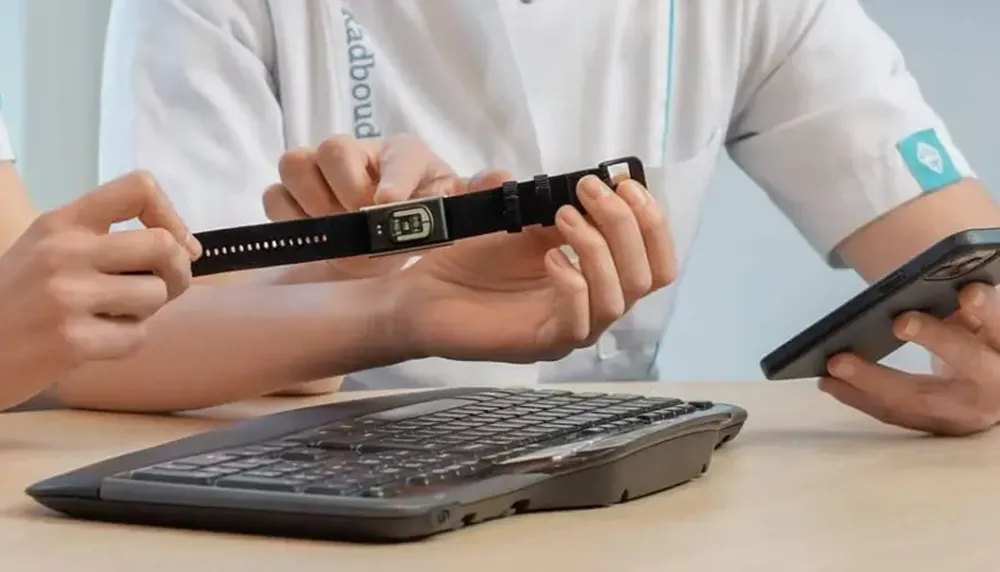
Featured image: Corsano CardioWatch Detects Cardiac Arrest